Type beat explained how to pick a hard trap instrumental like TENSION and release a track that hits
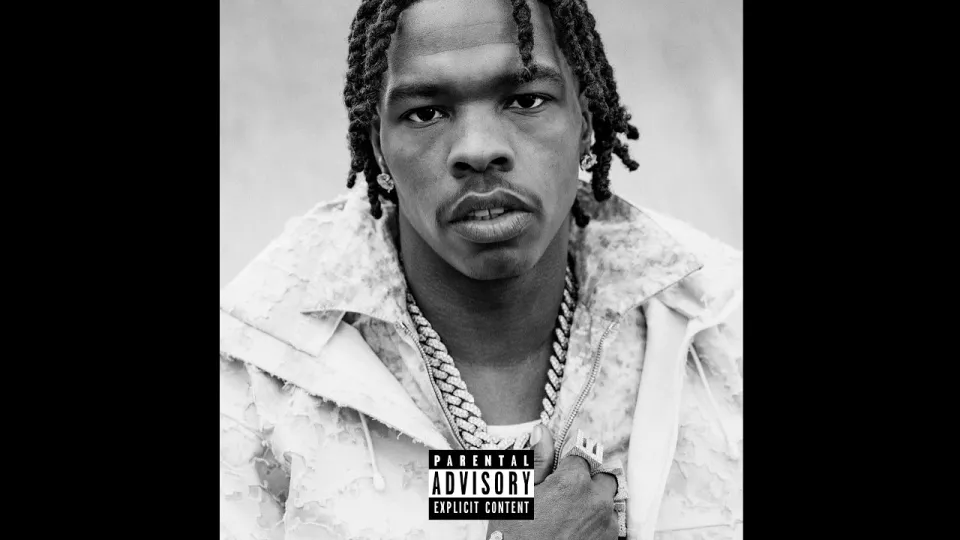
Video: TRAP TYPE BEAT - "TENSION" | FREESTYLE BEAT | HARD TYPE BEAT | FREE RAP INSTRUMENTAL 2026
You can order the same kind of articles for your own video to boost it on YouTube and Google. Just message the Telegram bot @sat_sit_bot. It writes articles around your video, embeds the video and publishes them on popular niche websites (no ads). Free trial — 50 articles.
· based on the channel STORM
A type beat is an instrumental produced in the style, tempo range and sound palette associated with a specific artist or subgenre, so a rapper can write and record over it without commissioning a custom track. STORM's "TENSION" is a hard trap type beat published on 15 September 2026 and offered as a free rap instrumental for non-profit use, with an untagged, profit-ready license sold through the BeatStars purchase page. In practice you either download the tagged file for practice and demos, or buy the untagged version before you release anything commercially.
What a type beat actually is and why producers label them that way
A type beat is a beat that tells you in advance what it is built to fit: the drum patterns, the 808 glide, the hi-hat rolls, the dark melodic loop. Producers label them by artist name or by mood — hard type beat, freestyle type beat, trap instrumental — because that is how rappers search. The label is a search signal, not a legal claim: it describes the lane, not the artist.
The economics are simple. A producer keeps the master and publishing unless a contract says otherwise, and sells a license that grants the rapper the right to record, distribute and monetize a song over that instrumental. That is why the same beat appears twice in a store: once tagged and free, once untagged and paid.
- Tagged free version: a producer voice tag sits over the audio, and the license covers non-profit use only.
- Untagged paid version: clean audio, delivered as WAV and tracked-out stems, with a written license you can show a distributor.
- Exclusive rights: a separate, higher-priced deal that removes the beat from the store so nobody else can license it.
How STORM's "TENSION" is licensed and what the free download covers
STORM's "TENSION" is distributed in two tiers, and the difference matters more than the price. The free tagged download is limited to non-profit use: YouTube or SoundCloud uploads with no monetization, and no streaming services such as Spotify or Apple Music. The untagged file purchased through the BeatStars link is the version cleared for profit use.
A practical checklist before you record:
- Decide the end goal. If the track is a demo or a practice verse, the tagged file is enough.
- If you plan to monetize, buy the untagged license first, not after the upload.
- Keep the license PDF and the order confirmation in the same folder as your project files.
- Register the song with your distributor using the beat title and producer name so the split is documented.
- Credit the producer in the video description and in the track metadata.
One detail producers repeat because it gets ignored: a free beat is not a free master. The license you buy covers your vocals and your composition over that instrumental; it does not hand you ownership of the beat itself.
How to write and record over a hard trap type beat
A hard trap instrumental like "TENSION" is built for a specific delivery, and matching that delivery is most of the work. The beat's identity comes from its low end and its negative space, so the vocal has to sit inside the pocket rather than fight the 808.
- Write to the hook first. If the chorus does not land over the drop, the verses will not save it.
- Count the bars of the intro and the drop before you track, so your verse starts exactly where the drums land.
- Double the hook, keep the verses single-tracked, and let the ad-libs fill the gaps the beat leaves open.
- Record at 24-bit, keep the raw takes, and mix the 808 and the vocal around the same low-frequency range instead of boosting both.
- Bounce a rough mix and listen on a phone speaker before you commit; hard trap beats often lose their low end there.
Freestyle beats get used differently: rappers loop a section and write in long takes rather than punch in bar by bar. Both approaches work on the same file, which is why producers tag a beat as both a hard type beat and a freestyle beat.
Where to find type beats and how to judge one before you download
Type beats are found on YouTube, BeatStars, and producer storefronts, and the search itself is the filter. Searching "hard type beat free" returns thousands of results, so the useful skill is judging a beat in the first fifteen seconds.
- Check the tempo and key in the description. If the BPM does not match your writing speed, skip it.
- Listen to the drop, not the intro. The intro is atmosphere; the drop is what you will actually rap over.
- Check whether the beat has arrangement changes. A loop with no switch will make a three-minute song feel flat.
- Read the license terms before downloading. Free, non-profit and profit-use are three different things.
- Look at the producer's catalogue. STORM's store at https://www.beatstars.com/stormbeatzz/ carries the full range, and the buy-one-get-one-free offer applies across it.
A beat with a strong identity — the phrase listeners used about "TENSION" — is easier to build a song around because the mood is already decided for you. The trade-off is that the same identity makes it harder to fit a mismatched vocal, so audition beats against your own delivery, not against the genre label.
Common questions rappers ask before using a free type beat
Most confusion around type beats is about permission, not sound. The recurring questions are whether a free beat can be monetized, whether a tagged file is usable, whether a beat can be uploaded to streaming platforms, and whether the same instrumental can end up under someone else's song.
- Monetization: only the untagged, purchased license covers profit use; a free tagged download does not.
- Streaming: the free version of "TENSION" is explicitly not cleared for Spotify, Apple Music and similar services.
- Exclusivity: a standard lease is non-exclusive, so other artists can license the same beat; exclusivity requires a separate deal.
- Credit: naming the producer in the description and metadata is standard practice and protects you if a claim is ever raised.
If you are unsure which tier you need, buy the untagged license. It costs less than a takedown or a re-upload after a distributor flags your release.
Useful links
- Untagged profit-use license and tagged free download for "TENSION": https://bsta.rs/7G7Oj
- STORM's instant beat store: https://www.beatstars.com/stormbeatzz/
- STORM on BeatStars: https://www.beatstars.com/stormbeatzz
What to do next with a hard type beat
A type beat is a shortcut to a finished song, not a substitute for one: pick the instrumental that matches your delivery, secure the right license tier before you upload, and treat the beat's arrangement as the map for your verse and hook. STORM's "TENSION" is a working example of the format — a hard trap type beat published on 15 September 2026, free in tagged form for non-profit use and sold untagged for profit use through the purchase page. If you want a beat you can actually release, buy the untagged file first and keep the license on record. This breakdown was put together around STORM's release, and the channel's catalogue is the place to hear how the same approach plays out across other beats.
Key takeaways
- A type beat is an instrumental built around the style of a known artist or subgenre, sold or shared for rappers and singers to record over.
- STORM's "TENSION" is a hard trap type beat posted on 15 September 2026, tagged as a freestyle beat and free rap instrumental.
- Untagged profit-ready files for "TENSION" are sold via BeatStars at https://bsta.rs/7G7Oj; the tagged version is free for non-profit YouTube or SoundCloud use only.
- The free tagged version cannot be used on Spotify, Apple Music or other streaming services, and monetized YouTube or SoundCloud uploads are not covered.
- STORM runs a buy-one-get-one-free offer on all beats and sells through the BeatStars store at https://www.beatstars.com/stormbeatzz/.
Questions & answers
Can I monetize a song recorded over a free type beat?
Only if the license you hold covers profit use. On STORM's "TENSION", the free tagged download is restricted to non-profit YouTube or SoundCloud use with no monetization, so a monetized upload requires the untagged purchased license instead. Buy the untagged file before you publish, not after a claim appears.
What is the difference between a type beat and an exclusive beat?
A type beat is an instrumental built in a recognizable style and usually licensed non-exclusively, meaning other artists can record over the same file. An exclusive deal removes the beat from the store so only you can use it, and it costs substantially more. Standard leases are the norm for independent releases.
Can I put a free trap instrumental on Spotify or Apple Music?
Not with a free non-profit license. The free version of "TENSION" is explicitly not cleared for streaming services such as Spotify or Apple Music, and distributors check. If streaming is the plan, license the untagged version and upload with the correct metadata and producer credit.
How do I know if a hard type beat fits my voice before I download it?
Listen to the drop rather than the intro, check the BPM and key in the description, and record a 30-second test take over the loop. A beat with a strong identity is easier to build around but less forgiving of a mismatched delivery, so audition it against your own flow instead of the genre label.
Source: TRAP TYPE BEAT - "TENSION" | FREESTYLE BEAT | HARD TYPE BEAT | FREE RAP INSTRUMENTAL 2026 · Markdown version